
Repair After an Affair or Betrayal
Shannon Maricielo, LMFT
In-person couples therapy offered on Bainbridge Island and Telehealth available across Washington State
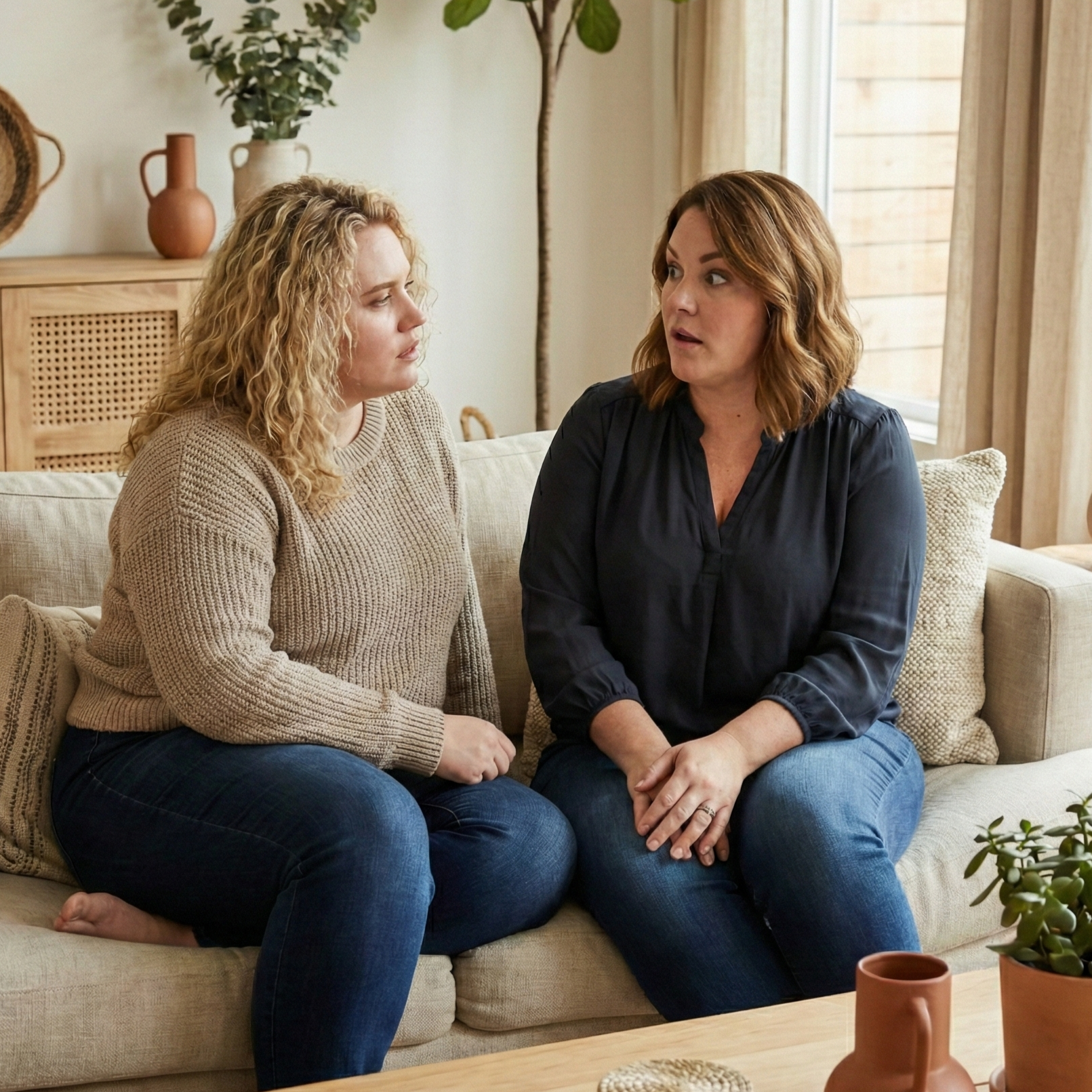
When Trust Has Been Broken
An affair or betrayal can be deeply destabilizing for both partners. The discovery often brings shock, anger, grief, confusion, and a loss of safety in the relationship. One partner may feel consumed by questions, doubt, or emotional swings, while the other may feel flooded with guilt, shame, or fear about the future.
Even couples who want to repair the relationship often find themselves stuck. Conversations can quickly turn heated or collapse entirely. Attempts to reassure fall flat. Time passes, but the pain does not ease in the way either partner hoped it would.

Why Repair Is So Difficult Without Support
After infidelity, partners are often moving at very different emotional speeds. One may want answers, clarity, and reassurance, while the other wants to move forward and leave the event behind. Without structure, these differences can deepen resentment and misunderstanding.
Trust does not rebuild on its own, and it cannot be repaired through promises or explanations alone. Without guidance, couples can become trapped in cycles of interrogation, defensiveness, withdrawal, or emotional shutdown. Over time, this can create further distance, even when both partners want the relationship to heal.
In-Person Couples Therapy on Bainbridge Island and Telehealth offered across Washington State

What Becomes Possible Through Repair Work
Repairing a relationship after infidelity or betrayal(s) requires honesty, accountability, and patience. With the right support, couples can begin to understand what happened, how trust was impacted, and what is needed to rebuild it in a way that feels meaningful and real.
Through this work, couples often experience:
Greater clarity about the rupture and its impact
More contained and productive conversations about the betrayal
A clearer path for rebuilding trust through consistent actions
Reduced reactivity and emotional volatility
A renewed sense of agency and choice about the future of the relationship
Repair does not mean forgetting what happened. It means integrating the experience in a way that allows the relationship to move forward with more honesty and intention.
When Trust Is Broken in Less Obvious Ways
Betrayal in a relationship is not limited to affairs. Trust can erode through repeated moments where a partner feels unprotected, dismissed, or alone.
Failing to defend your partner in front of family, friends, or colleagues
Sharing private information without consent
Repeatedly breaking important promises
Emotional withdrawal during times of vulnerability
Minimizing or dismissing your partner’s feelings
Financial secrecy or hidden spending
Prioritizing work, friendships, or outside interests in ways that undermine the relationship
Breaking agreed-upon boundaries, even if no affair occurred
Speaking negatively about your partner to others instead of addressing concerns directly
Refusing to acknowledge harm after conflict
These experiences may not make headlines, but they can quietly destabilize safety and connection. When trust has been compromised in these ways, repair requires clarity, accountability, and intentional change.

Who This Work Is For
Repair after a betrayal may be a good fit if you are dealing with one or more of the following:
An emotional or physical affair or event that has shaken trust
Ongoing suspicion, hypervigilance, or fear of further betrayal
Repeated arguments about what happened and why
Difficulty knowing how much to share, ask, or disclose
A lingering sense that something important was minimized or dismissed
A desire to understand whether and how trust can be rebuilt
Not all betrayals are dramatic. Some are cumulative. Over time, moments of secrecy, defensiveness, or lack of protection can erode safety in a relationship just as deeply as a single defining event.
This work is best suited for couples who are willing to engage honestly with the repair process, even when it feels uncomfortable. Both partners do not need to be at the same place emotionally, but meaningful progress requires a willingness to take responsibility and participate actively in the work.
I work with couples of many identities and relationship structures, including LGBTQIA couples and those in nontraditional or open relationships. All relationships are approached with care, respect, and an affirming, nonjudgmental stance.

Ways to Work Together
Ongoing Couples Therapy
Weekly or biweekly sessions focused on understanding patterns, strengthening connection, and creating sustainable change.
Relationship Intensives
Extended or weekend sessions for couples who want focused, efficient work in a shorter period of time.
In-Person or Telehealth
Sessions are offered on Bainbridge Island and through secure telehealth across Washington State.

Take the Next Step
Repair after cheating or betrayal is challenging, but it is possible. With the right support, many couples are able to create a clearer understanding of what happened and decide how they want to move forward, together or with greater clarity.
If you are ready to begin this work, I invite you to take the next step.